
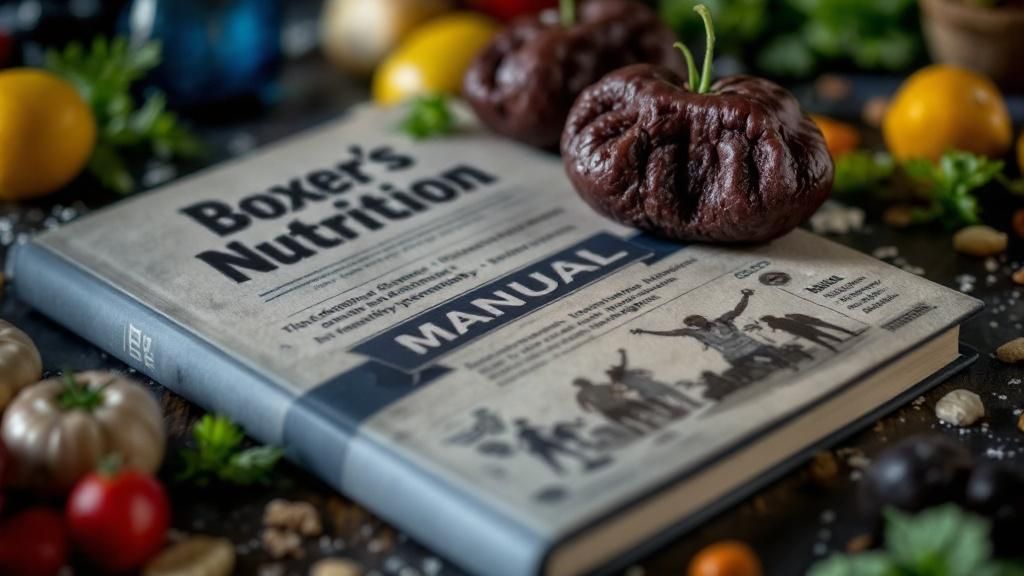
Whether you’re beginning your boxing journey for the first time or preparing for competition matches, proper nutrition forms the cornerstone of success in boxing. This comprehensive guide reveals science-backed nutrition approaches carefully tailored for fighters pursuing optimal weight management without undermining performance. From macronutrient ratios to eating schedules protocols, we’ll examine scientifically-supported eating programmes that enhance endurance, strength, and recovery whilst preserving your optimal competition weight. Learn how top-level boxers power their performance for optimal results and lasting outcomes.
Grasping Nutritional Essentials for Boxers
Boxing demands remarkable bodily conditioning, and nutrition functions as the core support supporting athletic performance. Boxers must have a carefully calibrated nutritional approach that manages energy availability with weight regulation targets. Unlike many sports, boxing requires precise nutritional planning because fighters must maintain specific weight categories whilst retaining strength, speed, and endurance. Understanding the nutritional principles permits boxers to optimise their training adaptations, enhance recovery between sessions, and sustain competitive advantages throughout demanding training camps and competition calendars.
The physiological requirements of boxing—including high-intensity circuit training, rapid power generation, and continuous cardiovascular work—require deliberate macronutrient balance and sufficient micronutrient levels. Boxers must obtain adequate protein for muscle repair, ample carbohydrates for energy production, and suitable fats for endocrine function and joint integrity. Additionally, correct hydration and electrolyte management remain vital for maintaining cognitive function, response speed, and fighting performance. Establishing solid nutritional foundations allows boxers to navigate weight management challenges whilst promoting physiological restoration and optimising training results.
Macronutrient Balance and Nutritional Energy Needs
Boxers require a carefully calibrated macronutrient mix to sustain the intense physical demands of training and competition. Energy requirements vary significantly based on training intensity, body weight, and metabolic rate, typically ranging from 2,500 to 4,500 calories per day for boxers in training. Ideal macronutrient breakdown generally consists of 40-50% carbs for sustained energy, 25-35% protein intake for muscle recovery, and 20-25% beneficial fats for hormone production and general wellbeing. This nutritional strategy ensures adequate fuel whilst maintaining lean muscle mass throughout weight control periods.
Dietary Protein for Muscular Recuperation
Protein functions as the core foundation for muscle tissue repair and adaptation after demanding boxing training. Boxers ought to target approximately 1.6 to 2.2 grams of protein per kilogramme of body weight daily, distributed evenly across several meals. This increased consumption aids recuperation from the repeated impacts and muscle demands characteristic of boxing, whilst supporting satiety throughout weight loss periods. Quality protein sources ensure adequate amino acid balance essential for peak muscle protein synthesis and performance gains.
Spacing protein eating strategically throughout the day maximises muscular recovery gains and preserves metabolic efficiency. Taking protein in the two hours following training speeds up muscle repair processes and replenishes depleted amino acid pools. Incorporating protein-based snacks between main meals sustains amino acid availability and prevents significant muscle loss during intensive training periods. Protein needs per person can differ according to training volume, how old you are, and recovery potential, requiring individual nutrition assessment and adjustment.
- Poultry cuts provides high-quality protein with low saturated fat levels
- Fish supplies omega-3s supporting inflammation management and recuperation
- Eggs provide complete amino acid profiles crucial for muscle adaptation
- Greek yoghurt pairs protein with beneficial bacteria for supporting digestive health
- Legumes offer plant-based protein with beneficial dietary fibre
Hydration and Mineral Ion Regulation
Proper hydration serves as a essential component of boxing performance alongside weight management achievement. During rigorous training and competition, boxers shed substantial moisture through perspiration, which influences heart function, muscle endurance, and mental performance. Maintaining optimal hydration levels across the entire day—not just during workouts—guarantees your body operates at peak efficiency. Aim to consume approximately 2.5 to 3.5 litres of water per day, adjusting intake based on training intensity, climate conditions, and individual sweat rates to sustain performance whilst achieving your weight management goals.
Electrolytes—particularly sodium, potassium, and magnesium—are essential in sustaining proper fluid equilibrium, muscle contraction, and nervous system function during boxing training. When boxers undergo extended periods of perspiration, they reduce vital mineral stores, which can diminish athletic output and extend recovery time. Explore including electrolyte-enhanced beverages during prolonged workouts beyond 60 minutes, especially when preparing for weight cuts. Naturally occurring sources like bananas, coconut water, and leafy vegetables supply important electrolytes alongside your regular hydration strategy, securing thorough mineral restoration without unnecessary calories.
Body Weight Control Approaches to Preparing for Competition
Effective body weight control in boxing requires a carefully planned method that balances caloric intake with training demands. Boxers must establish realistic weight targets aligned with their inherent physique, steering clear of extreme cutting methods that compromise performance and health. Adopting gradual weight adjustments over several weeks, rather than rapid fluctuations, preserves muscle mass and sustains metabolic efficiency. Professional nutritionists suggest tracking body composition through regular assessments, guaranteeing fat loss rather than muscle loss. This methodical approach enables fighters to achieve fighting weight divisions whilst maintaining strength and stamina levels vital for ring performance.
Competition preparation calls for meticulous nutritional planning during the closing stages before bouts. Boxers should adopt structured eating plans that match training intensity, progressively decreasing calories whilst preserving sufficient protein consumption to protect muscular tissue. Managing hydration grows more important as race day draws closer, with controlled liquid intake supporting maximum performance without unwanted weight increases. Planned carbohydrate consumption around workout periods supports available energy and supports recovery, whilst micronutrient support tackles possible nutritional gaps. Working with knowledgeable sports dietitians ensures personalised approaches account for personal metabolism, workout volume, and specific competition requirements, ultimately enhancing both performance outcomes and enduring competitive capability.
